

What To Use To Clean Oil Painting Brushes
Good oil painting brushes are non inexpensive. Yet if they're properly cared for, they can last you lot for many paintings. Letting your brushes get stiff with dried oil pigment volition ruin your investment and your ability to pigment. Let'due south look at some methods for how to clean your oil painting brushes during and after your painting sessions and how ofttimes you should make clean them. The best way to make clean your oil painting brushes while painting is by using a solvent such equally odorless mineral spirits or linseed oil (use proper disposal methods with linseed oil). When y'all are done painting brushes can be cleaned with Savvy Lather, Master's Brush Cleaner, or fifty-fifty Murphy'south Oil Lather. There are numerous methods and things to consider when it comes to cleaning oil brushes. Allow's look at some of these methods in more detail. The process for cleaning your brushes while painting is dissimilar than when you requite them a final cleaning in one case you complete a painting. The process for cleaning brushes while painting should be unproblematic however adequate and so as to keep your colors clean and not cause whatever disruption to the painting process. One of the most common means to clean oil painting brushes while painting is to dip them into a jar containing some type of solvent, such as odorless mineral spirits. The do good of this approach is that mineral spirits are really good at removing a meaning amount of pigment in the quickest amount of time. A few dabs at the bottom of the jar will get most of any color out of the bristles. The drawback to using a solvent is the fumes. Solvents evaporate quickly and are very easy to breathe in. If you lot are painting in an enclosed studio, there are health concerns from breathing in all those fumes. Be sure to use acceptable ventilation when using solvents indoors, which is changing the air in your studio at least x times per hour. Non-artist class mineral spirits, such as those institute at the hardware shop volition normally have an olfactory property, even though they claim to be odorless. Artist-grade mineral spirits such as Gamblin'southward Gamsol are much more than odorless. Yet even though they may not smell, the fumes are nevertheless in that location. Just the groovy matter almost Gamsol is that its evaporation rate is slower than other solvents and it doesn't usually absorb through the pare. Another mineral spirit commonly used by artists is Turpenoid made by Weber. While this is a good artist-grade mineral spirit, I've found it to have a stronger small than Gamsol. There are other solvents such as turpentine or alcohol. These should be avoided. Nearly modern turpentines contain very stiff odors and fumes, and alcohols will dry out your brushes and damage them. If you lot desire to avoid using solvents in your studio you can employ oils such as linseed oil to clean your brushes. The near obvious do good is that oils do not give off the odors and potentially harmful fumes that solvents do. Depending on how sensitive your sniffer is, you lot may not smell the oil at all. Since information technology doesn't evaporate similar solvents, an open jar will last much longer. In fact, you don't need to shut the jar at all. While oils exercise a pretty good job of cleaning your brushes, the results are not as quick an immediate as solvents. You will have to spend a picayune more fourth dimension swishing or rubbing your castor effectually the jar to remove the pigment. And it can seem a bit more than messy until you lot get used to it. Some other drawback with using linseed oil is that y'all can end up with a buildup of hardened linseed oil around the jar. This hardened oil tin be cleaned with a razor blade but it's a bit of a job. The nearly of import thing to exist aware of is the proper disposal of any paper towels or rags that you use to wipe the excess oil. Rags or newspaper towels that are soaked in oils such every bit linseed oil can spontaneously combust. Therefore you must dispose of them in a metal or fireproof trash can that has a proper hat. I can personally say that I've been using this exact method of cleaning my brushes for over x years and have never had combustion occur. But I don't accept whatsoever chances and neither should yous. If fumes or metal garbage cans are not your style, there are other options to try. Turpenoid Natural, too made by Weber is a not-toxic, flammable, citrus-based castor cleaner that works really well for cleaning while painting. It has a thicker consistency like linseed oil, and a strong citrus aroma which some people may not like, but is free of whatever harmful fumes. You also don't need to worry about spontaneous combustion. Turpenoid Natural is also incredible for cleaning brushes that take become strong from neglect of cleaning. In that location accept been a number of times when I forgot to clean a brush that become stiff and hard. Simply soaking the beard in Turpenoid Natural overnight will ordinarily loosen up the bristles and render the castor useable once more. I can't say it makes the brush like new, merely it does save information technology from the garbage can. Information technology should be noted that unlike artist-grade mineral spirits or linseed oil, Turpenoid Natural should not exist used as a medium for thinning oil paints. Other like options are Chelsea'due south Classical Studio Citrus or Lavendar Brush Cleaners. Once once again these exercise non comprise harmful fumes. Some artists like the smell of these items, others don't. There is also Windsor Newton Brush Cleaner and Restorer. Once again it's not-toxic and has less odor than other cleaners. It's also actually skilful at restoring hard bristles. So at present you accept some options on what to utilize to clean your brushes, but what exactly should you lot clean them in? Of course, the cheapest solution would be a thoroughly cleaned soup can or jar. If you are using solvents y'all will want a jar with a chapeau to keep down on evaporation and fumes. Another option is the Silicoil Brush Cleaner Tank. This is a handy jar with a lid that contains a big ringlet to rub your brushes against to become a more thorough cleaning. Since I utilise linseed oil to clean my brushes while painting, my jar ended upward getting pretty gunky over time and had to be disposed of. Withal I kept the coil and use it in a nutrient jar and it nevertheless works great! Any you use, make sure that you clean it periodically. Oil paint will build up at the bottom of the container and will make information technology more difficult to clean your brushes. Since I utilize linseed oil cleaning my container is a bit messier and I honestly don't do it as often as I should. When you clean your container make sure you wear gloves, particularly if you make clean your brushes with linseed oil. The pigment buildup in the bottom of the jar tin can comprise toxic substances such every bit Cadmium and Cobalt and tin can be difficult to make clean off your pare. There is a difference in how you clean your brushes while your painting versus how you give them a final cleaning after you are done painting. Cleaning while painting is only to remove most of the colour currently on the brush and then you can use that aforementioned brush for another color and non create a mess on your canvas. Cleaning your brushes when y'all are done painting is meant to remove all the pigment, oil, and medium in the beard so the brush doesn't become stiff and unusable. At that place are many ways of doing this, simply I'll discuss some of the methods I've used and my current method. Just as with cleaning while painting, you can utilise solvents to give your brushes a final cleaning. Y'all will want to use a generous amount of solvent as the paint volition pollute the solvent very quickly. It's best to use two jars of solvent, one to get the bulk of the paint off, and another to give a terminal clean rinse. Doing a final cleaning with oils alone is not recommended. The oils volition harden the bristles later a week or so. Using oils to clean while painting is fine, only not for a terminal cleaning. Turpenoid Natural can be used for a final cleaning, simply information technology should be backed upwardly with either a rinse with solvents or soap and water equally it tin can glue up the beard when it dries. They say oil and h2o do not mix, so ane may be tempted to call up that this method doesn't work but it actually works really well. Basically, y'all put soap in your easily and rub the bristles of the brush in your palm to lather up the soap, and then rinse and echo until the lather is clean. The outcome is a nice, clean brush that doesn't harden over fourth dimension. When using this method you lot will want to vesture latex gloves to go along whatsoever toxic pigment off of your hands. It'southward also a good idea to try to clean near of the paint off your brushes using another method such equally solvents or oil in a jar. This will cut downward on the amount of paint and toxins you are putting into the sewer or septic organization. There are different soaps yous can use to clean your brushes. The Master's Brush Cleaner and Preserver is a good 1 that I've used with cracking results. Another is Chelsea Lavender & Olive Oil All Natural Brush Cleaner & Conditioning Soap. This used to be my primary method for cleaning my brushes but I stopped many years ago as I was concerned nigh introducing heavy metals such as cadmium and cobalt into the local water supply. If you do utilize this method and want to proceed the water supply every bit make clean as possible, exist sure to remove every bit much paint equally possible before you wash your brushes in the sink. Savvy Soap fabricated by Marvelous Marianne'south Products is another dandy brush cleaner. It'due south non-toxic and like Turpenoid Natural can revive hardened bristles. Information technology has a yogurt-type consistency. You can squeeze some onto a clean surface, rub your beard into information technology, then wipe with a paper towel and echo until clean. I love using this when on painting trips where I cannot utilise my usual method of cleaning brushes (see below). Information technology'due south portable and can even be used to clean pigment from your hands. My method of cleaning oil painting brushes is one of the most economic and efficient methods I've come across over my years of oil painting. I use Irish potato'due south Oil Soap and inexpensive mineral spirits. I will outset remove any excess paint with the linseed oil I clean with while I'one thousand painting, I so wipe the brush with a paper towel. I may repeat this process a couple of times depending on how much backlog paint I have on my brushes. I then pour some Irish potato'due south Oil Soap onto my drinking glass painting palette (exist sure the palette is absolutely clean of all paint prior to doing this, I apply denatured alcohol to clean my palette). Then I will dip the bristles into the pool of oil soap and press down onto the glass and motion the castor back and along. When you do this you will meet a lot of paint coming out of the bristles. I then wipe the backlog oil lather and paint with a paper towel. I may repeat this process a couple of times, depending on how much paint was in the brush. Even though your pool of oil soap will chop-chop pollute with pigment, you lot can go on to utilize it to clean your other brushes as the oil lather volition continue to extract pigment even when it's polluted. All within reason of course. If the oil soap becomes completely polluted, you may demand to replace it with a make clean pool of oil soap. Oil soap volition non remove every chip of paint from your castor. I accomplish this past and then dipping the brush into a big jar of mineral spirits. While you can apply Gamsol, the cheaper (and stinkier) mineral spirits from the hardware store work just fine. Wipe off the excess mineral spirits with a paper towel and echo until the paper towel wipes clean. Your brush should now be good for storing. Over time yous will notice oil paint separating and settling at the bottom of the mineral spirits jar. This is fine to continue to use. Some people may poke holes in the lesser of a tuna can (or similar) and place it bottom-upward in the jar to further split up the oil from the clean mineral spirits. At some point, you lot volition demand to supersede the mineral spirits but they volition stay clean for quite a while. The question that may come to heed is how often should you make clean your brushes? There is no hard and fast rule and there are many variables that could decide how oftentimes you should give your brushes a final cleaning. The safest practise is to practise a last cleaning every solar day when your painting session is consummate. Just bear in heed that cleaning your brushes every twenty-four hours volition deplete your cleaning solution must faster, and information technology may not be necessary. If you paint every 24-hour interval and clean your brushes with some type of oil while painting, and you lot don't use a lot of drying mediums, y'all may only need to requite your brushes a final cleaning every few days or fifty-fifty once a week. I typically clean my brushes well-nigh once or twice a week, usually on Saturdays since I don't paint on Sundays. I do make sure to wipe any excess paint from my brushes and give them a quick rinse in linseed oil at the end of the day. I'm not officially recommending this somewhat lax arroyo since I'one thousand a fleck lazy when information technology comes to cleaning, I'grand only telling you what I honestly do. The best do is to clean every day at the end of the day, or at least every couple of days. Jason Tako is a nationally known fine artist who specializes in western, wildlife, plein air, and Historical Native American subject matter. He spent his learning years sketching the wetlands and wooded areas of rural Minnesota. He has been featured in Plein Air Magazine and Western Art Collector Mag and he was the Featured Artist for the 2022 Southeastern Wildlife Expo. Come across his work at www.JasonTako.com and his demonstrations on his YouTube Channel.Cleaning Brushes While Painting Using Solvents
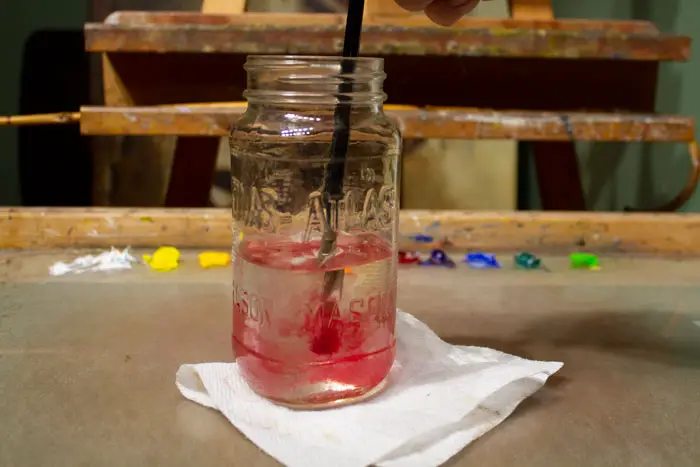

Cleaning Brushes While Painting Using Oils

Other Cleaning Options While Painting
What to Clean Your Brushes In
Cleaning Your Brushes After Painting
Terminal Cleaning with Solvents
Concluding Cleaning with Oils
Final Cleaning with Turpenoid Natural
Concluding Cleaning with Soap and Water
Terminal Cleaning with Savvy Soap
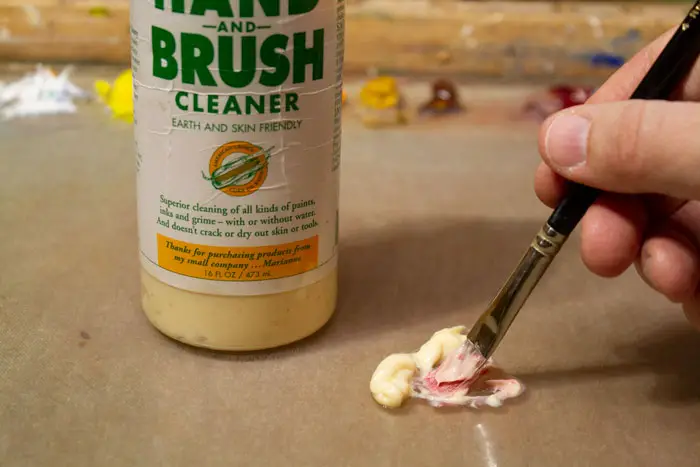
My Final Cleaning Method

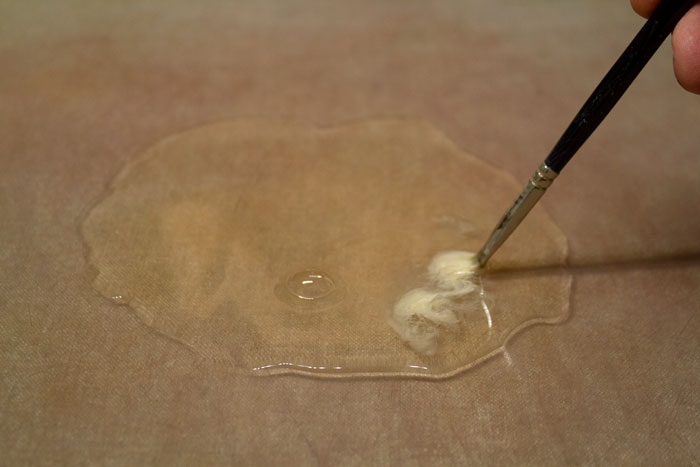
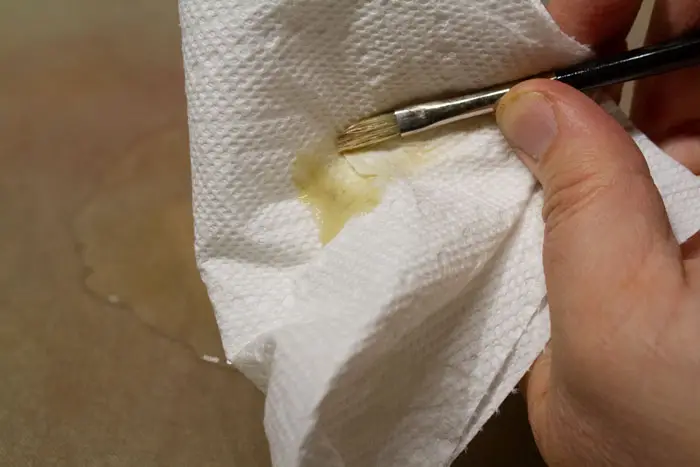
How Often You Should Clean Your Brushes

Source: https://mysketchjournal.com/how-to-clean-oil-painting-brushes-during-and-after-painting/
Posted by: kimtudith.blogspot.com
0 Response to "What To Use To Clean Oil Painting Brushes"
Post a Comment